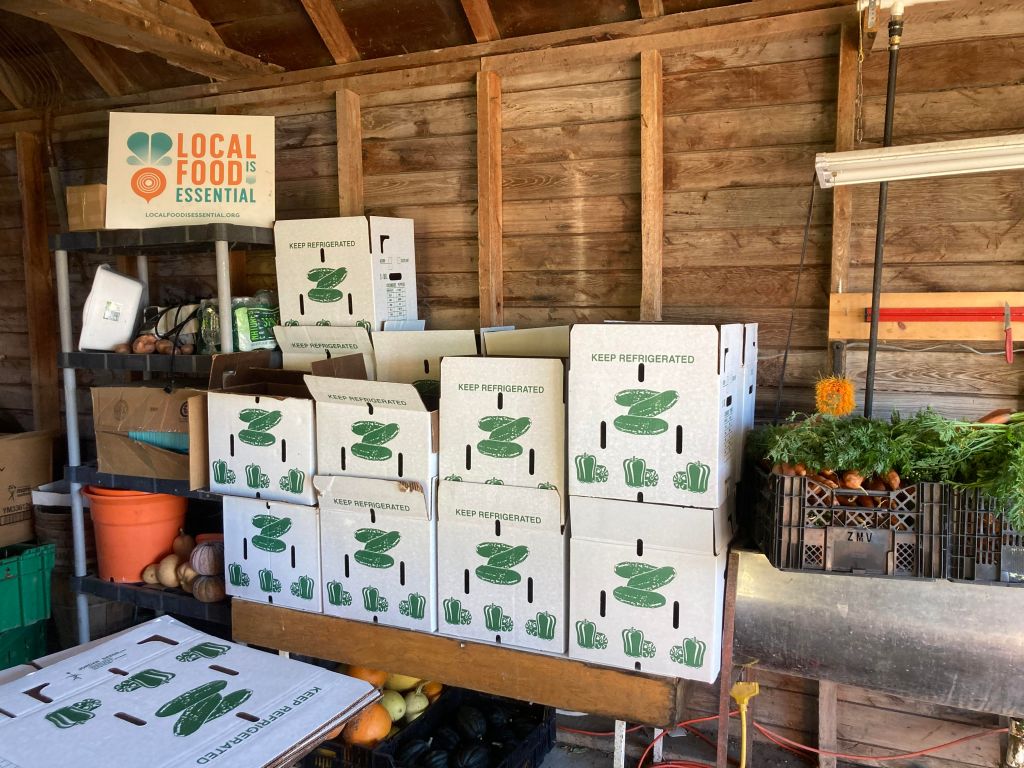
Tractor-ing at the Speed of Light

Have you ever seen a tractor out cultivating a planted field?

Cultivation is when you’re driving astride plants with a tractor and killing weeds by dragging metal implements through the ground. A rare sight nowadays actually since most every crop operator has moved to GMO crops where weeds are killed off with a spray truck filled with glyphosate or Round-up (94% of soybeans and nearly 90% of corn planted today are herbicide-resistant, USDA ERS).
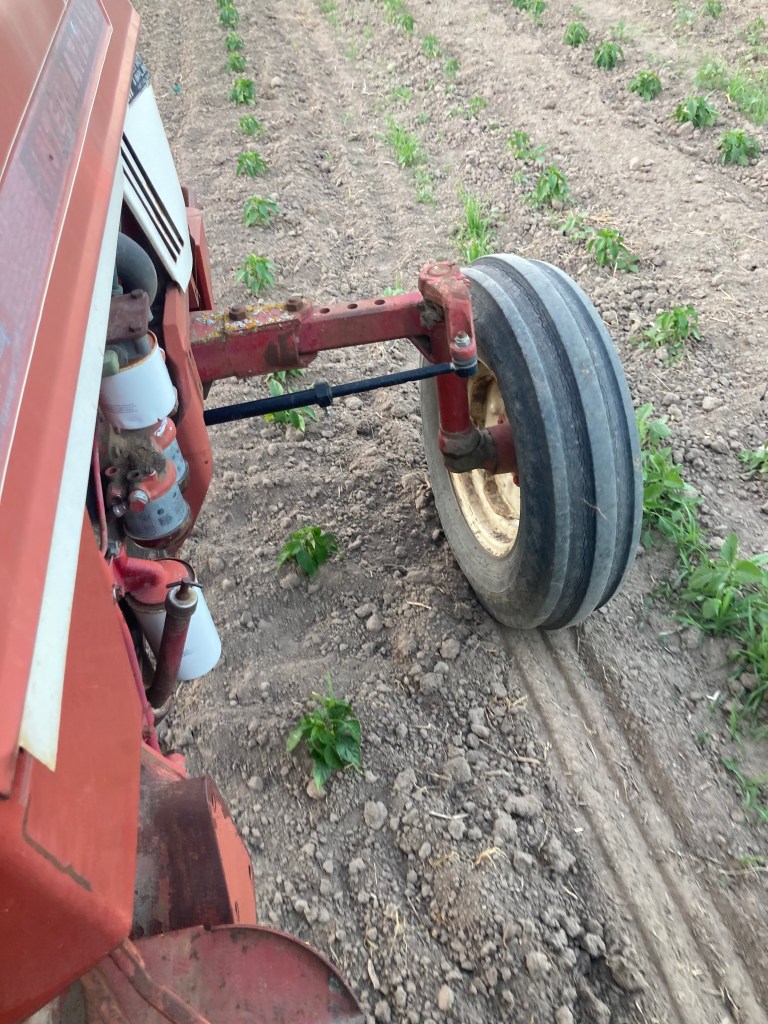
My view atop the Farmall 674.

If you were standing on the township road and saw me out cultivating, it would be like watching paint dry. I’d be on the Farmall H (when the carburetor is working), the Allis Chalmers G (when the battery is strong enough to start it) or the Farmall 674 crawling across the ground in low first gear. Not much going on. I wouldn’t notice you on the township road leisurely walking faster than the tractor because, to me, I’m holding on for dear life, laser-focused on the plants below that I’m trying my best not to kill off. To you, I’m moving the speed of a turtle, but, to me, I can feel like I’m going 30 mph, zooming across the field.
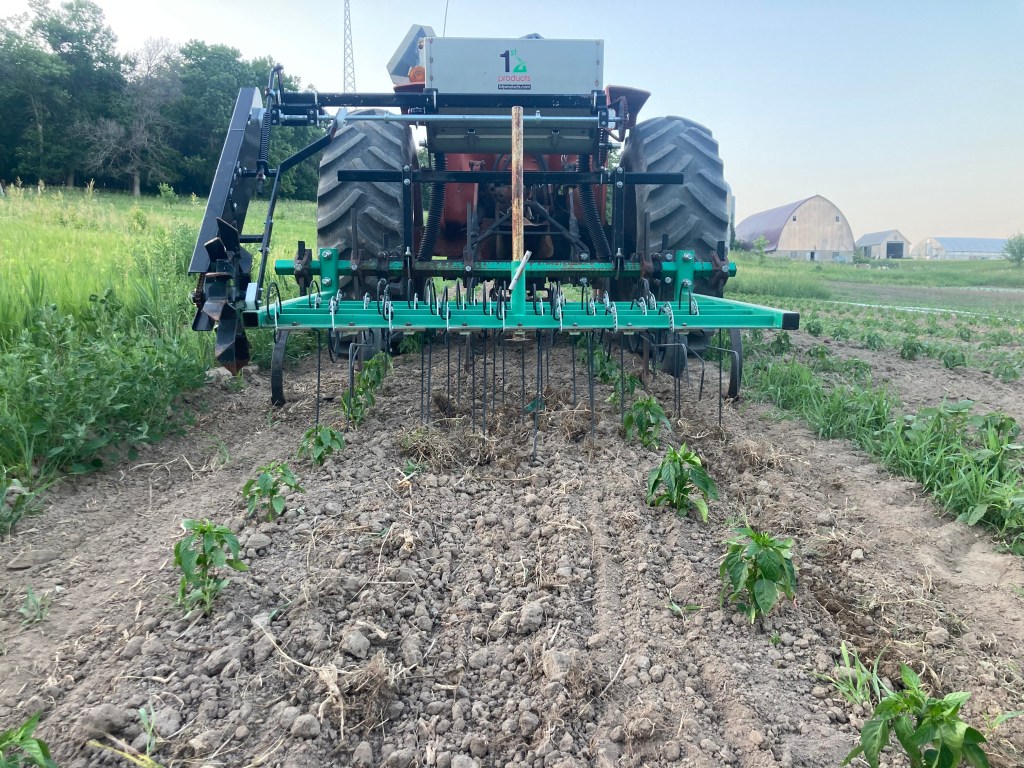
Williams Tool cultivator at work. This cultivator has sweeps in front and three rows of tines in back.

I remember the first time my farm mentor, Paul, put me on a tractor and said, ‘OK, drive across that bed and try not to hit the plants…’ It was a total adrenaline rush. After weeks of battling weeds with hand hoes, I was now just slaughtering weeds with this miracle machine. This Allis Chalmers G from the 1940s was putt-putting down the rows, its sweeps just an inch or two from these plants we so carefully raised to maturity – like clearing the ground with a machete next to your first-born toddler. If you’re just a bit off, the whole row is ripped up and game over. Oops, no peppers this season – sorry.

Peppers close to death.

I first climbed on that Allis G 23 years ago. I certainly don’t sweat it as much as I did back then, but I still find the experience exhilarating. The attention to the plants while moving across the field bed by bed puts me in a total flow state, all attention on the slightest detail of the tractor. One the true pleasures of farming, especially done while listening to The Stones or some other loud rock…not good with soft Indy.

In the box:

  • Sugar Ann Snap Peas
  • Curly Kale
  • Red or Green Butterhead or Oakleaf Lettuce
  • Green Onions
  • Garlic Scapes: Little curley things off top of garlic plants – chop up and use anywhere you’d use garlic or green onions to add some garlic-y flavor. Less strong than the bulb itself.
  • Radishes
  • Zucchini: Yeh, first summer crop out of the field!
  • Basil
  • Napa Cabbage: I had to pick this earlier than I wanted (heads not fully formed) but started to bolt in the stress of last 4 weeks of heat and drought.

How Farmers Cook Dinner: Zucchini Fritter

I dig these for breakfast. I’m especially into them since I’ve been trying to stick to a savory breakfast to start the day instead of some tempting sugar bomb.

Ingredients:

  • Zucchini, grated. About 2/3 cup per fritter/person
  • Eggs. One egg per portion of zucchini. If you like it eggier, add two per person
  • Green onions, chopped. About 3-4 green onions per portion/person.
  • Kale/chard for topping.
  • Olive oil
  • Soy sauce/Yuzu sauce

Add grated zucchini and green onions to bowl, crack in eggs and combine. Over medium heat add olive oil to pan. When hot, throw on fritter mix and spread evenly. When firm/brown on one side, flip. When done on both sides, put on plate. Roughly chop and rinse kale or chard and add to same hot pan and add a little water to steam for like 30-40 seconds. Add to top of fritter and add soy or yuzu sauce or simply salt and pepper to taste. I sometimes eat this with siracha sauce.

**This is a very forgiving recipe and you can add anything you think you’d like in the fritter that’s sitting in your fridge – peppers, onions, broccoli…whatever. You may want to sautee them before adding to batter.
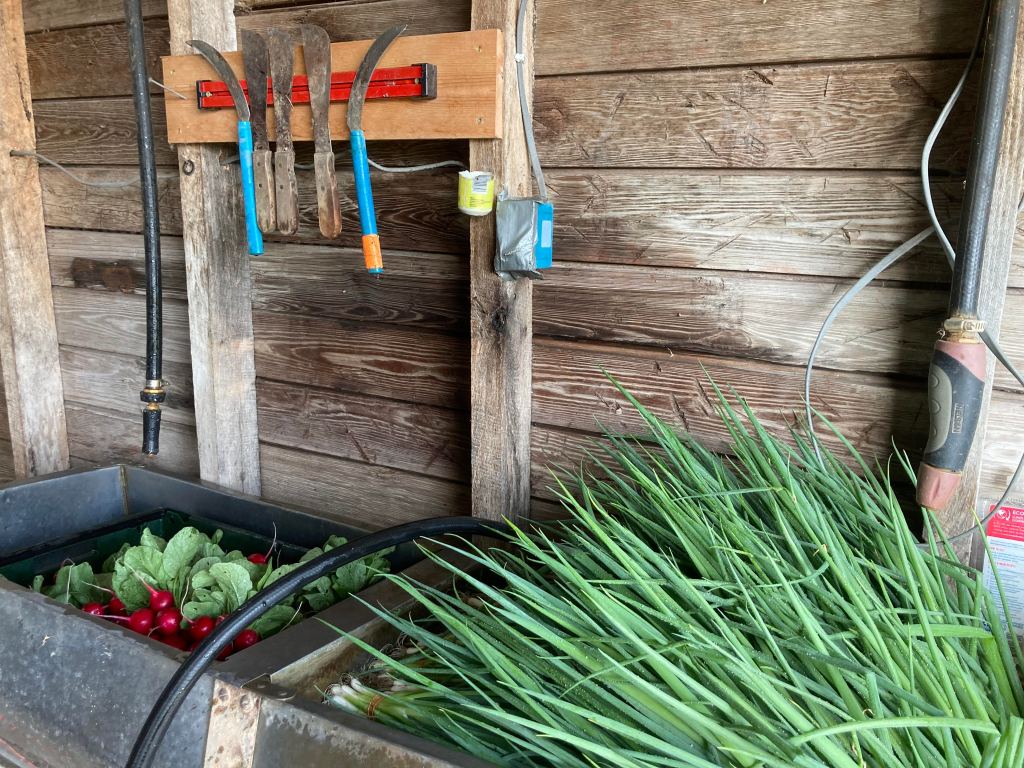
Getting Started and Praying for Rain

A slow-moving front with a distant rumble and flash of light. I check Accuweather. Hmm, maybe this is the time. I watch the red blob steer north of D.L. again. Nope. I navigate to NOAA. Maybe another chance is on the horizon?

This has been my daily experience for a lot of May and all of June. A month of dashed hopes. I initially thought that we’d be on track for some solid soil moisture this year. We certainly had the snowpack and it melted great. I was so thankful to start April with wet ground after the glaciers finally moved out this spring, yet it’s been terribly lacking since.

In my younger days I’d start panicking. Now, well, I tell myself to buck up and just start dragging around some hose. After 20 seasons growing in Otter Tail County, I’ve seen this movie before. It’s a dry season but it’s not like that’s 100% bad. The great advantage to a dry year is the ease of keeping the weeds at bay. Sure, direct seeded crops don’t germinate, but neither do the weeds! The great disadvantage is that we dump a lot of time into irrigation. It’s tough to find time to hoe or cultivate when you spend 4 hours a day moving hose, setting irrigation, moving drip tape.

The other major disadvantage of a hot and dry year like this growing season so far is plant stress. Certainly super cold slows the growth of crops, but plants also go into survival mode when too hot and too dry. If it goes on too long, the stress pushes the plant to bolt or try to go seed before it dies. All told, we’ve seen some signs of this stress, but it’s not been to bad so far. The Napa is certainly getting stressed and you’ll see that the basil has been going to bud stage, earlier than it should.

With my requisite weather complaints out of the way, please let me leave on a more positive chord. It’s a new season and we’re delighted you’ve joined us for the journey! Each year has it’s challenges, but also it’s upsides. One of our claims to fame is that we’ve not had to skip a CSA box since 2004 and I know there will be good to come to your family. This is the practice and magic of market gardening – I get the pleasure of delivering healthy, flavorful, and beautiful good food to you. How rewarding.

In the box:

  • Baby Bok Choi
  • Radishes
  • Swiss Chard
  • Green Onions
  • Bunch of Beets
  • Fresh Mint – when in doubt, garnish your next drink.
  • Green Leaf Lettuce
  • Basil

I thought I’d do something a bit new this season, what I’m calling How Farmers Cook Dinner. Instead of recycling my favorite recipe I’ve found over the years or a link to the usual suspects, my plan is to make a meal that features some of the things going in the box.

I’m warning you -I’m a pretty intuitive cook, so this may not be as much a recipe, as me making something up with what happens to be in my refrigerator to give you some ideas of how you can do the same. My idea is to give you a window into how it looks here at Lida Farm – maybe it might get more people more comfortable with some freewheeling cooking using CSA crops.

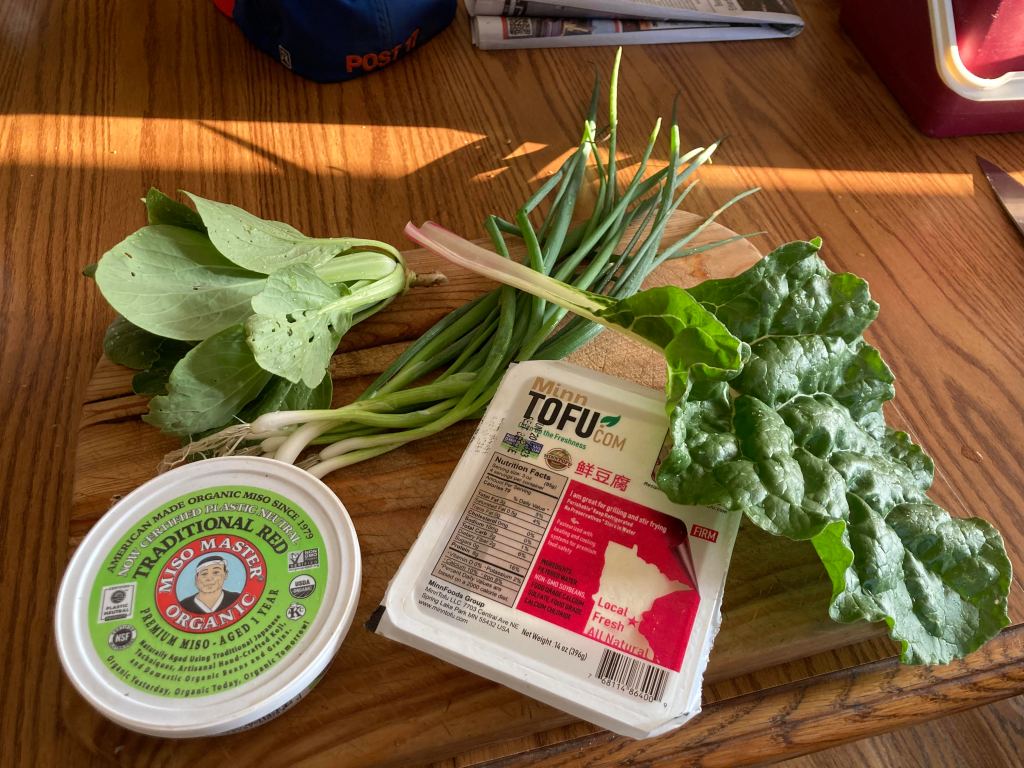
Miso Soup with Tofu

  • Baby Bok Choi
  • Green Onions
  • Swiss Chard
  • Miso paste
  • Nori / dulse / some kind of seaweed
  • Tofu
  • Soy Sauce
  • Oil

Miso soup traditionally uses dashi as a broth, a seaweed-based broth. The basic idea I did was to make a vegetable broth with a little nori from sushi just sitting in my cupboard for a while. Once you have the broth, it’s just a soup base you can use to warm up the greens and tofu, which is flavored with the miso at the end. I made enough miso soup for 1-2 people using 1 bok choi, half a bunch of green onions, 1 big chard leaf, half a sheet of nori, and 1/3 package of tofu. You could double it if feeding 4 (although I don’t know how much kids would get into tofu miso soup).

Chop baby bok choi, green onions, and swiss chard. Put chopped stems from bok choi and swiss chard in pan with hot oil (I used canola, but sesame, peanut, or safflower would work fine for asian). While stems soften a bit, cut tofu into cubes and whisk a quarter cup of hot water with a few T of miso paste and set aside. Add 3 cups of water if feeding 1-2 or 6 cups if feeding 4 when stems have softened. Into the broth add all chopped green onions and nori ripped up into little bits. Get up to a gentle boil and add the chopped greens and tofu. Remove from heat when tofu warmed through and greens have cooked down (maybe 1-2 minutes). Once removed, add the miso and check for flavor. You may chose to whisk up more miso or simply add soy sauce to taste.

Super light and refreshing soup for when you want something satisfying and light.

CSA Sign Up

I think we’re all feeling a warmer sun and feeling good about the longer days. Despite a few inches falling last night and more forecast for the week, spring is looking to be sprung pretty soon. That means I’m taking on members for the 2023 CSA season.

If you were an 2022 member, you should have already gotten an email, but I’m limiting the number of CSA shares for the 2023 season to 40 boxes with pickups only at Manna Food Co-op and at the farm on Mondays. This will be a big change from past years, but this change up is for good reason.

For 20 years I’ve been duct-taping the farm together each summer to keep the show on the road and get these CSA boxes out the door. Vegetable production is generally tough on soils and I’ve been observing some more and more soil issues the last couple of years. I wouldn’t be much a sustainable farmer if I just ignored the problems. Instead, I really need to focus on some soil building and some of the many little farm projects I’ve had accumulating over the years. This just takes time. Throw in a laundry list of unfinished construction and farm improvement projects, and something has to give.

I hope with a smaller CSA load for this year that we’ll have a nice reset, improve some weak areas in the fields, and make some necessary improvements so we can get back better in 2024.

So, at this point in early March we still have 20 shares left for 2023 and invite you to join us. If CSA is not in the cards, we will still be operating the 24/7 farm stand and be at the Pelican Market on Friday evenings like years past.

All information about the CSA and a link to sign up is at https://lidafarm.com/csa-information/

Season Recap

Hey, we made it!

I’ve been starting every Monday the same for 4 months. I sit down in this same chair in the corner of the living room and try to think of something interesting to share. At times I rack my brain to spin some excellent yarn, but mostly I puke up words for about 20 minutes of whatever pops in my mind, almost like I’m doing an exercise in a writing workshop.

The last blog topic of the season is always known, however, as I’ve been doing a season recap on the last week since I started blogging in 2006.

From my vantage as the farmer, we had some good and bad this season, a mixed bag typical of every season. In the good category, I’m setting melons, tomatoes, beets, carrots, and winter squash. We had some well-timed rains early in the season and good pollination. The field tomatoes especially had an amazing yield. Melons actually got mostly mulched this year between the plastic mulch which gave them the clean bed necessary to vine out well. I even remembered to give them water early in the season.

The big miss of the year was the onion crop. I essentially grew about 10,000 golf balls. This is something I heard from other gardeners and I can’t really say how the weather impacted it. I do know that I there are a couple areas of fields that just didn’t have the fertility they should and that certainly impacted the onions planted there, plus the spring cole crops. I’m looking to get a cover crop on that area to improve it. A couple minor crops croaked in the field (pretty typical), but, because they are minor, I don’t think they were missed too much. I could have done some better hoeing and weed control, but I’ve had that thought every year I’ve done this.

All told, I felt pretty good about the season and I just wanted to thank all members who joined us and all those who helped make it happen, including Apprentice Archer, my family, and those who jumped in the fray off and on.

I hope the CSA worked for you and your family and maybe you’ll join us next year. I will be doing a 2-delivery fall CSA share for $150. These will be a big double-box pickups on Oct. 30 and just before Thanksgiving on Nov. 20. I’ll email all current CSA members about it. I MAY bring back the winter share which will continue Dec through Feb, but I’m taking taking life one step at a time.

In the box:

  • Butternut squash
  • Sunshine koboocha squash: The red one…similar to a buttercup.
  • Carnival squash: Multi-colored on…this is both really pretty and sweet. A sweet dumpling variety, it’s similar in texture and color to an acorn.
  • Pie pumpkin
  • Russet potatoes
  • Kale
  • Little Garlic
  • Haralred apples
  • Fresh thyme
  • Carrots
  • Little Lettuce

Duel Lives Collide

I don’t have much to say today. I’m off for three days in Duluth for my day job at U of M Extension tomorrow. So time is of the essence and I have to pound out today’s box in order to get tomorrow’s ready for 6 am deliveries in Fergus and Pelican. Yes, Tuesday people, you can pick up you box early tomorrow.

Red Daikon at Night

In the box:

  • Delicata Sqush: The little yellow one with green stripes.
  • Spaghetti Squash: The yellow oblong one.
  • Buttercup Squash: The dark green one with a nub on the bottom.
  • Butternut Squash: The big tan one.
  • Russet Potatoes
  • Halalred Apples: This is a multi-purpose apple that is good for cooking, pies, sauce.
  • Red Daikon: One of the prettiest-colored veggies I’ve grown. Use as you would any radish or daikon.
  • Carrots
  • Bok Choi
  • Fresh Rosemary
  • Rutabaga
  • Lettuce: Luck of the draw….some greenleaf, some oakleaf, red butterhead, but all lettuce.
  • A couple slicing tomatoes
  • Hakurai Summer Turnip: This is for fresh eating, not unlike a radish (it looks like a white radish). Very mild, slice, salt and eat as you would a kohlrabi.