Endless Summer

Typically we’ve had a light frost by mid-September.   Since I’m in the produce business, one would think that a frost would get me down, but quite the opposite.  A  frost in September marks a definitive transition from summer to fall crops.   Brussel sprouts and other cole crops sweeten up with a little frost, vines die and expose the winter squash, and all those hot-season crops die.  It’s quite a relief.

At this point, we’re stuck in a summer-fall limbo where I can’t fully let go of summer stuff, which is just making me anxious.  Still, there are only two other weeks of the CSA after this week, and I just have to move into all those wonderful fall crops out in the field.  So, I’m trying to turn the corner into fall, frost or no frost.  Enjoy a week of cooking some hearty meals with these roots and squash we included.  

In the box:

Start Squirreling

I know it’s hot, but fall is in in sight.  All those summer crops have already-sadly-reached their peak and are on their way out.  The melon patch has been steadily taken over by yellowjackets, corn is turning brown in the field, and those tomatoes are starting to look a bit haggard.

Now is the time we should all start making like squirrels and start storing all that bounty of the year because, gulp, winter is coming.  Many a customer at the farmers market hems and haws whether the day is perfect to can tomatoes, but, like today, I’ve had to inform them that “it’s now or never.”  That’s why we invite members to come out and pick tomatoes starting tomorrow (Sept 6) and Monday and runs through the week.

In the box:
Red Tomatoes
Golden Rave Yellow Romas
Melon Medley (Charatais, green/gray in color; Honey Orange, white; Sun Jewel, yellow)
Potatoes: Some received purple viking (best roasted or fried since boiling or mashing makes for a weird color), most others received yukon gold potatoes
Salad Mix
Fairy Tale Eggplant: these guys are little, but you work with them the same as any other eggplant
A Couple Onions
Celery: There have been problems with this celery having a bad core, but you should be able to still strip off the stalks
Green Pepper
Red Bell Pepper
Cucumber
Parsley

Beautiful in the Heart of Darkness

As I write this in our porch, I’m looking over the front field.  It’s a beautiful site as swallows dive over the nicely trellised tomato plants and green sweet corn.  The sun is out, but it’s pretty cool for a day in July with a nice breeze.  Even with all this beauty around me, I’m still in that July state of mind, what my former mentor called the ‘heart of darkness.’

July is a time when small weeds turn into 4-foot tall monsters overnight and produce harvest is something you need to do each and every day just to keep up.  It’s the time that can really wear out market gardeners like me when every hour is consumed with the battle against the weeds or trying to keep up on cucumbers.  I’ve been doing this enough in my life to know, however, that things will begin to slow down in August when we give up on pulling weeds and planting new crops.  I should at least slow up enough to stop and watch these birds near my house for a spell.  Should we all keep things in perspective.

In the box:
‘Imperial’ Broccoli: A lot of these heads turned out to be huge.
Fennel: This one can throw people for a loop, but it’s great sauteed with other veggies.  Here’s a recipe from Simply Recipes: http://www.simplyrecipes.com/recipes/caramelized_fennel_and_onions/
A couple Cucumbers
A couple Yellow Summer Squash: Cook up and use however you like your zucchi done.
A smattering of Lettuce: I scraped the fields to find a mix of lettuces to fill the boxes this week.
Sweet ‘Alisa Craig’ onion
Green Beans 
‘Norland’ Red Potatoes

Tribute to Good Neighbors

There is a long tradition of neighborliness amongst farmers.  In many respects this is something we look back on in nostalgic terms as if it is something which our parents or grandparents enjoyed in the good ol’days, but none of us really know about today.  Today this phrase “good neighbor” means being friendly and helping out every once in a while, doing something like watching a dog or picking up somebody’s mail.

In farm country this had a different, more significant meaning.  A good neighbor was somebody who had just as many things to do as you, but dropped all of them to lend a hand.  And I don’t mean a small job, I’m talking about 8 -10 hours of labor to put up hundreds of bales of hay in blazing heat to beat a rain or helping to pull a calf at some crazy hour of the night in the cold of winter.  That kind of neighborliness was done because all of us depended on it. Those kinds of assitance paid off in the end because dedicating a day to your neighbor would get repaid when you were in need yourself.  The community of growers was richer, not in a strictly montery was, but because the strong bonds built through work side-by-side.

That kind of work exchange which was almost necessary for survival amongst the small diversified dairy farms which covered Otter Tail and Becker Counties is just as voluntary a ‘nice thing to do’ as amonst any towndweller.  After all, most farms today are as automated as most manufacturing plants.  Who needs their neighbor?

In spite of all this, we are blessed with farm neighbors who still carry on the best sense of the term.  This weekend I have a neighbor who volunteered to lay cement block for a couple days to repair a barn wall destroyed in a rainstorm last year.  This is time worth hundreds of dollars and all he wants for payment is a nice dinner and help moving block.  I’ve had neighbors borrow us equipment, mow ditch embankments, herd our animals when escaped, birth lambs, plow entire fields who have asked for nothing in return.  I owe them all and would do whatever I could whenever they need it.   I think that’s the feeling we should all have to build a real neighborhood.  

In the Box:

  • Sugar Snap Peas (please don’t shell these…just eat them)
  • Radishes
  • Head of Romaine Lettuce
  • Bunch of Westlander Kale
  • Italian Flat Leaf Parsley
  • A few Baby Bok Choy
  • Scallions aka Green Onions
  • Spinach

Pretty Stressful Week

Many think that organic farmers like us live an idyllic life, watching over sheep in fields at sunset and waxing poetic about whole grains and our stewardship of earth.  Although we have done these things, this week certainly didn’t give us moments of ponder and relaxation.  Instead, I was thinking that this may have been one of the most stressful weeks of farming ever.

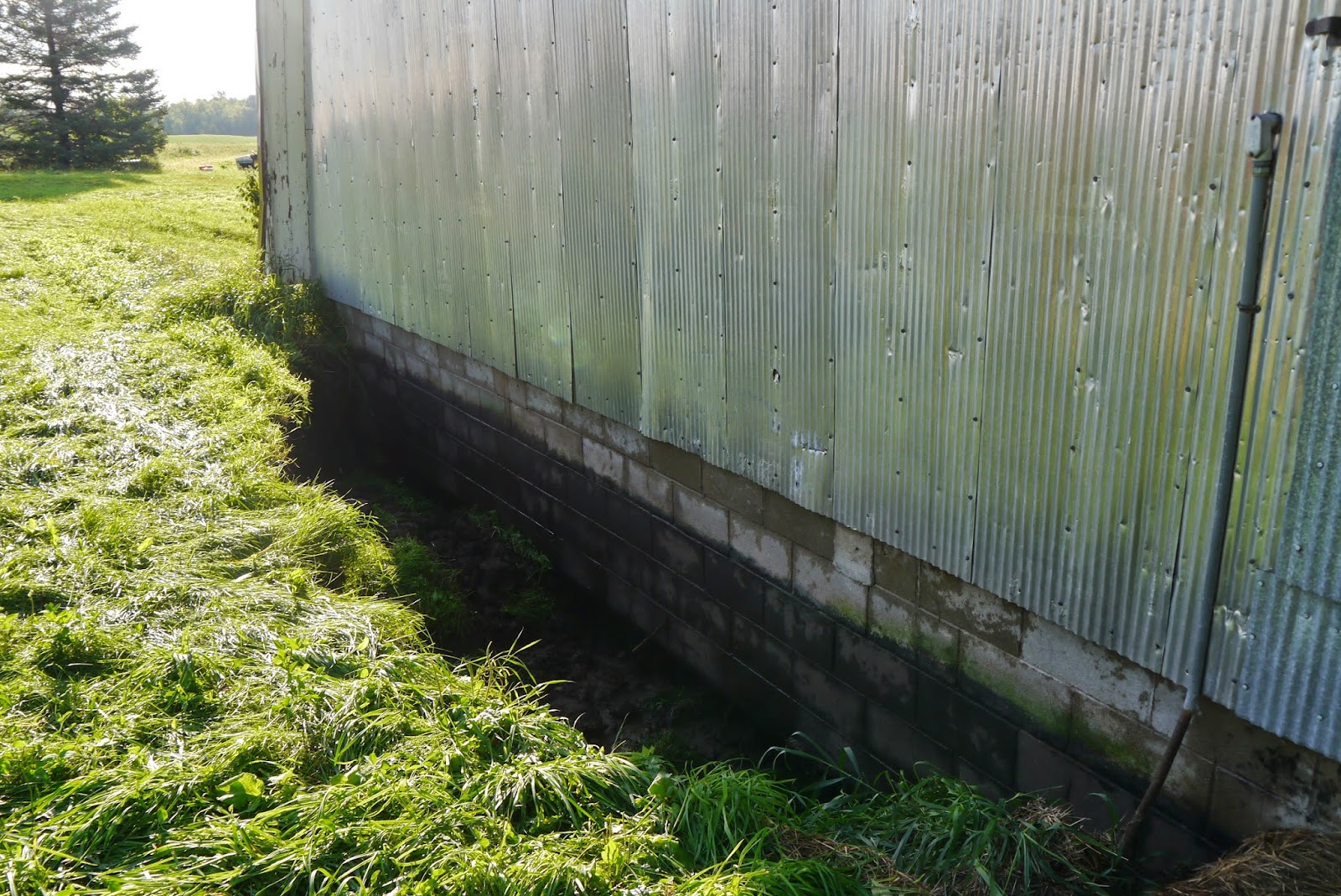
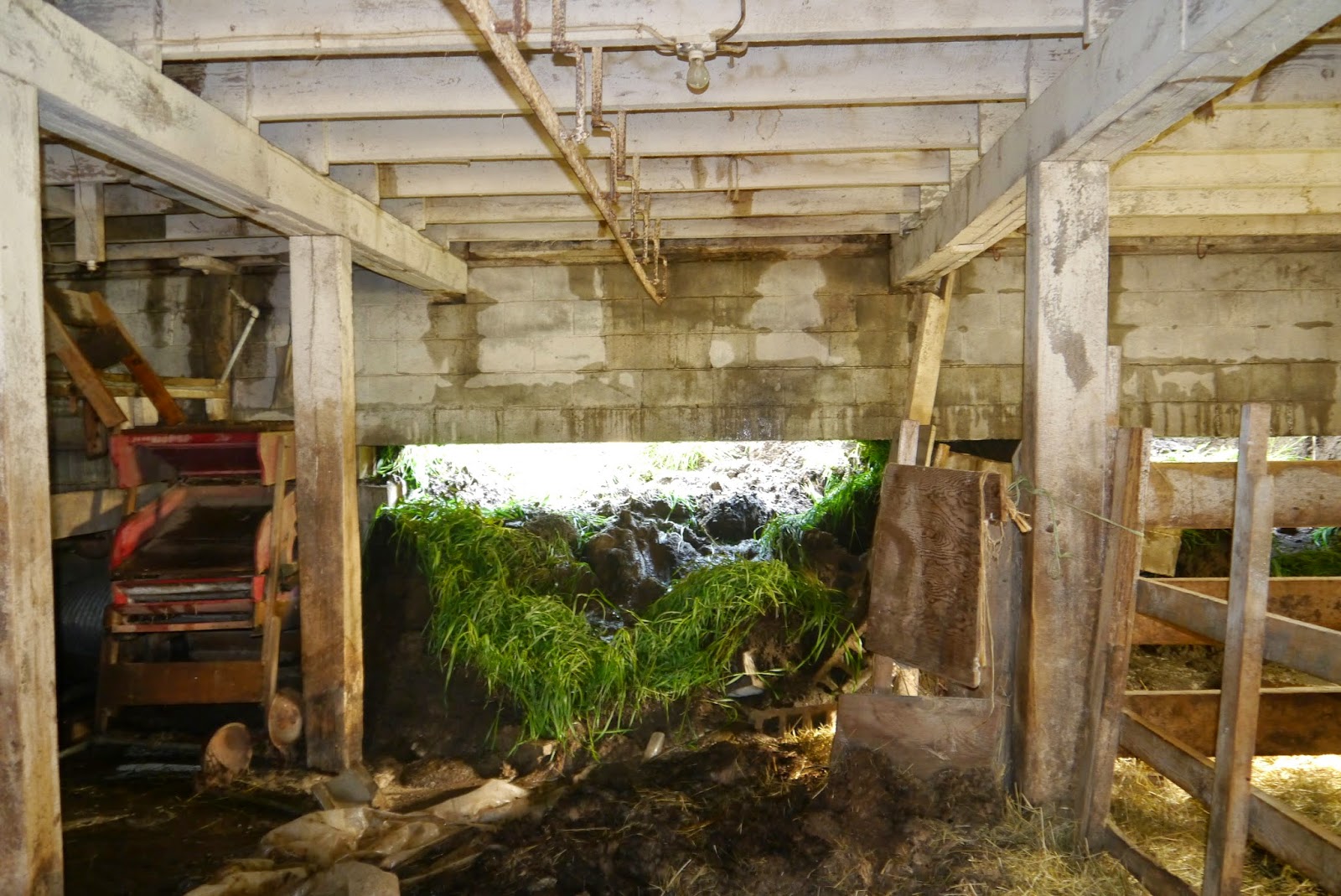
A few overlapping projects and circumstances came together to make this a week to remember.  The primary stress was the weather, as I’m sure you may have experienced yourself.  We received hail not once, but twice this week,, both Monday and Thursday. The biggest issue, however, was the 4 inches of rain which poured out of the sky in two hours.  Thursday morning I woke up at 3:30 to close up the high tunnel so it didn’t blow away, spent an hour sopping up water in the basement with a sponge, pulled the battery on our van since it rained so much in the open windows that the horn was stuck in the “on” position, and saw that the north wall of the barn collapsed on my way out to my dayjob at seven.  Whoa!

The rain also bowed out the bottom of the greenhouse we’re constructing and put a small lake in our front field, putting under water the carrots we planned on harvesting and once again drowned the potatoes which should have gone in the box this week.  This all happened under the backdrop of starting delivery to the new food hub in Fergus Falls on Wednesday, getting a new batch of chicks, all the usual harvesting and produce orders, and greenhouse construction in our spare time (which this week entailed a form a prison labor shoveling rock).

Man, I’m getting tired, but at least this espresso is kicking in and the sun is shining.  I know it’s going to be alright and we’ll press right on through these challenges, the farm season, and all our projects just fine.